
[inform] Winter Project Scheduling

Scheduling Winter Projects: Adapting to Seasonal Changes
As winters chill settles in, the crisp air and scenic snowfall bring about a shift not only in our daily routines but also in the types of projects that can be taken on. Understanding these changes can ensure that both the homeowners and the handyman can maximize productivity, while staying warm and dry.
Here’s a closer look at how winter weather influences project timelines and priorities.
During the winter months, certain projects become more prominent, while others may need to be postponed until spring or adapted to suit the weather.
Seasonal Shifts in Project Types
1. Indoor Projects Take Center Stage

🎵 Oh, the weather outside is frightful, but new paint is so delightful. 🎵
With outdoor temperatures dropping, many homeowners look to tackle interior renovations. These may include:
Trim Projects: Upgrades such as installing new baseboard or window and door casing can be done comfortably indoors.
Bathroom Upgrades: Repairing or remodeling bathrooms can easily be done without the worry of harsh weather or scheduling conflicts with exterior projects.
Flooring Replacement: Nothing changes the look of a houses interior as much as flooring replacement. The perfect rainy season project.
Interior Painting: Indoor painting projects are more than welcome as they can freshen up spaces during those cold, dreary winter months.
Repairs of All Types: Winter is the best time to get through those To-Do lists of small repairs needed around the house, before the busier spring/summer seasons begin.
2. Emergency Repairs Rise
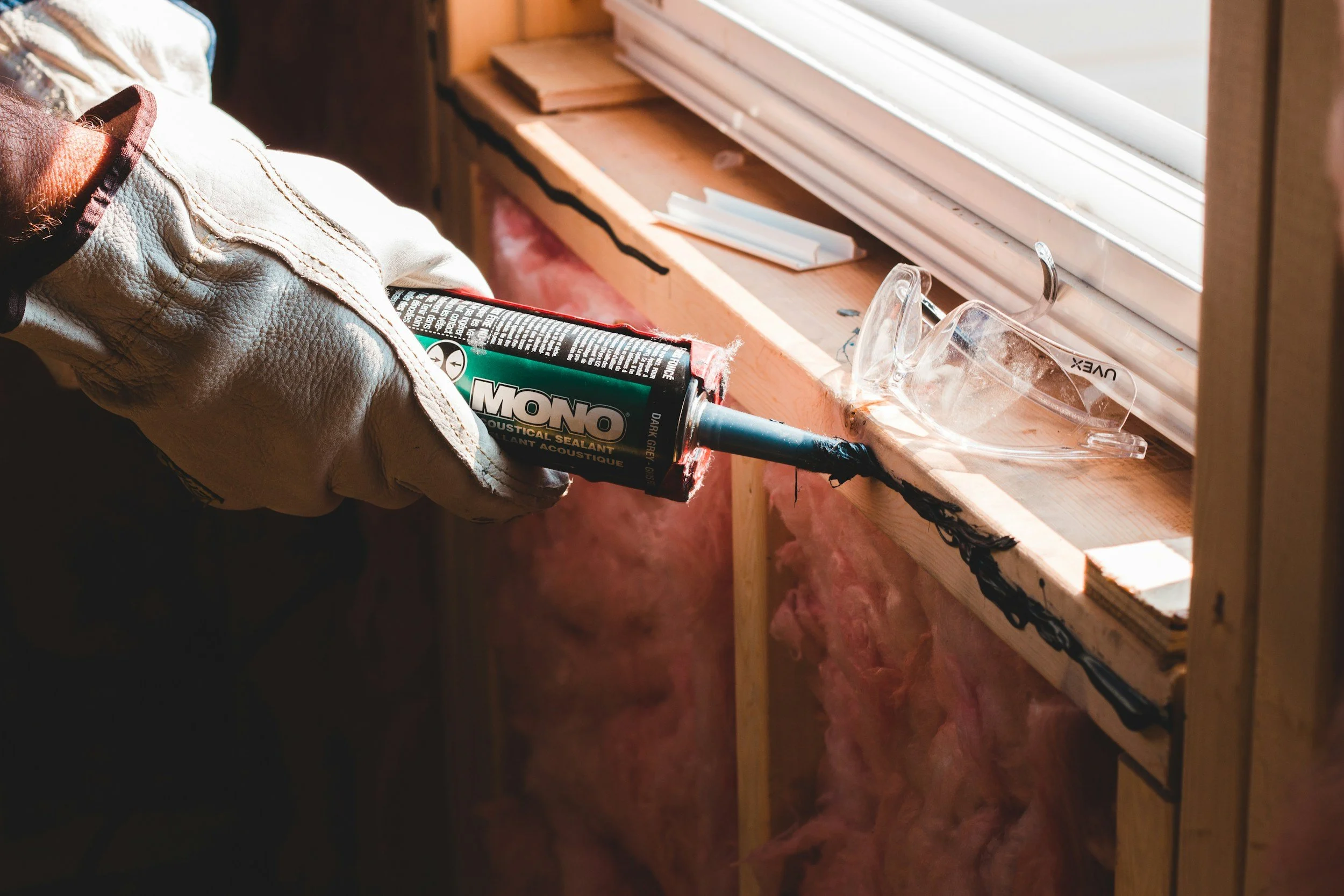
Keep the cold out, and the warm in.
Winter weather often brings unexpected challenges, bringing with it requests for urgent repairs, including:
Siding Repairs: Sometimes, issues with siding or exterior cladding only become apparent when inclement weather hits. These issues need to be addressed quickly before they can begin to impact other areas of the house.
Window and Door Sealing and Insulation: Drafty windows can significantly impact energy efficiency and comfort, making it vital to address any leaks or poor insulation.
Slippery Surfaces: With winter rain, comes mildew, which can create slipping hazards on steps, decks, asphalt, and concrete. Pressure washing, traction strips and sturdy handrails can help alleviate these concerns and prevent falls. In areas with snow and ice, homeowners should plan to stock up early on ice melt and/or traction sand as these items are often in short supply during heavy snowfall periods.
3. Outdoor Projects Can Still Be Done, Even In The Rain

We’ve all been there.
While the winter season may not be ideal for many outdoor projects, some may still need attention. These may include:
Eavestroughs Cleaning/Guards Installation: Debris can continue to accumulate in the eavestroughs, even after the last leaf of autumn has fallen.
Sealants/Caulking: Exterior sealants should ideally be maintained in summer or fall, though this often doesn’t happen. Cracks in wood siding, stucco, or around doors and windows should be sealed to prevent water ingress.
Winterizing Homes: Insulating pipes, sealing drafts, and checking outdoor faucets can help protect homes against freezing temperatures.
Fence Repairs: Winter storms can bring damaging winds that can damage rotted fence posts or blow out fence boards. Repairs can be made to ensure they make it through to spring for more extensive replacement.
Deck Repairs: Winter is not the time for deck replacement, but some repairs can’t wait for spring. Rotted deck boards, unsteady guard rails or loose steps can be repaired, ensuring safe usage for the remainder of the cold months.
For these types of projects that cannot wait until spring, or if the homeowner prefers them to be completed during the winter months, extra preparations may be required.
These can include:
Setting up tarps to keep work areas dry or clear of snow.
Supplemental heating to allow materials and finishes to cure before being subjected to the rain or snow.
Postponing certain parts of the project until warmer temperatures resume. (Painting, staining, etc.)
Flexibility in scheduling to allow for ideal weather conditions.
4. Planning for Spring

When its dark outside, plan inside.
Winter is a great time to plan for future projects. Homeowners can take advantage of the season to start:
Consultation Sessions: Discuss upcoming renovations, set schedules, make design choices and gather materials for spring.
Maintenance Checks: Conduct inspections and maintenance on essential outdoor items, like eavetroughs, to prepare before the spring thaw.
Research Projects: For some projects, a lot of time needs to go into decisions that need to be made before planning a project. Cozy nights in front of the fire are the perfect time for these.
5. Safety First: Best Winter Practices
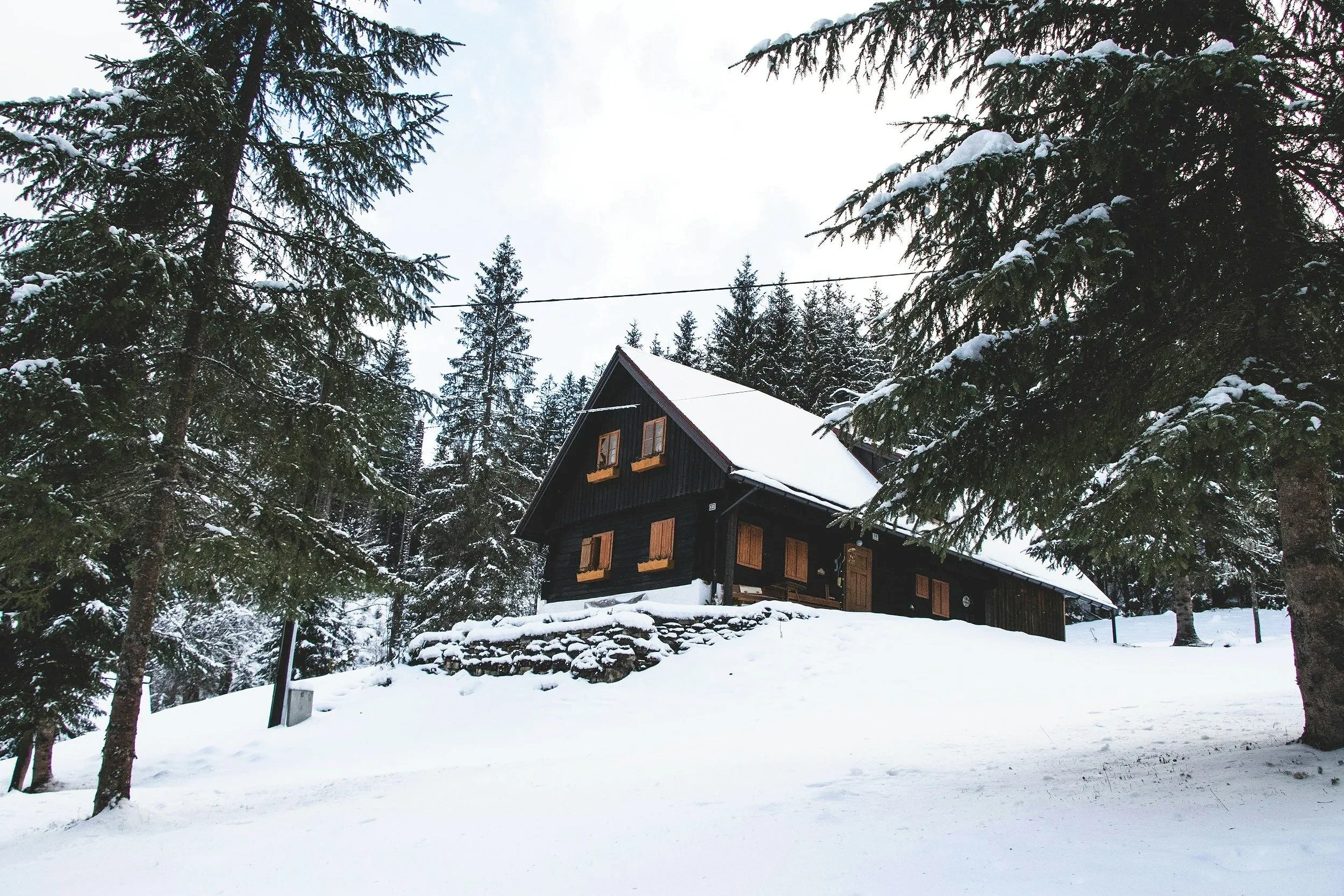
It looks so pristine and beautiful, until you remember that now you have to shovel the walks…
When scheduling projects during the winter months, safety should always be a top priority for both clients and the handyman:
Icy Conditions: Ice, snow and even rain can create slipping or falling hazards for certain projects, especially those at heights, requiring ladder work. Projects may need to be rescheduled if severe weather is expected, ensuring everyone’s safety first.
Storm Season: Winter storms can also bring heavy winds, which can be hazardous to work in, especially when up on a roof or a ladder. Tree branches or debris being blown around can bring difficult conditions for completing projects on schedule, sometimes causing project delays.
Be Mindful of Weather Conditions: Unfortunately, postponements during the winter months are often unavoidable. Close monitoring of weather forecasts can help with ensuring they are kept to a minimum.
Winter presents unique challenges and opportunities for handyman companies. By focusing on indoor projects, responding promptly to emergencies, scheduling outdoor projects accordingly, and planning ahead, both handyman businesses and homeowners can make the most of this season.
![[p r o j e c t s] Minor Bathroom Upgrades](https://images.squarespace-cdn.com/content/v1/669d81b34e5fc7493d560e9b/1767303125272-XRUZ6S0XE4AIO5RZD786/Minor+Bathroom+Upgrades-8.jpg)
![[p r o j e c t s] Commercial Refresh](https://images.squarespace-cdn.com/content/v1/669d81b34e5fc7493d560e9b/1767217178464-TLD5XU6ICM6HN5L5V5TX/Commercial+Refresh-09.jpg)
![[i n f o r m] The Importance Of Maintenance](https://images.squarespace-cdn.com/content/v1/669d81b34e5fc7493d560e9b/1766961211814-J8NUEB6A9IMFTK3X7NHZ/Maintenance.jpg)